DRC Calls for Greater Transparency to Ensure Mining Wealth Benefits Local Communities
DRC Pushes Extractive Sector Reforms as EITI Validation Approaches in 2026
The Democratic Republic of Congo (DRC) has called for greater transparency in the management of its natural resources to strengthen public accountability, attract responsible investment and ensure that mining revenues deliver tangible benefits to local communities.
The call was made by Guylain Nyembo, the DRC’s Minister of State for Planning and Development Aid Coordination, during the opening of the 10th International Conference of the Extractive Industries Transparency Initiative (EITI), held in Brussels, Belgium, on 8 October 2026.
Representing President Félix Tshisekedi, Nyembo emphasised that transparency should not be treated as an end, but as a tool for improving public decision-making, strengthening accountability and building trust between government institutions and citizens.
“Natural resources only truly acquire value when they become a source of progress for those who live on the land that holds them,” Nyembo said, according to statements released by his communications team.
DRC Seeks Greater Local Value from Mineral Resources
Against the backdrop of rising global demand for critical minerals driven by the energy transition, Nyembo called for more balanced partnerships between countries that produce, process and consume natural resources.
He highlighted the need to expand domestic mineral processing, accelerate industrialisation, facilitate technology and skills transfer, and create sustainable employment opportunities.
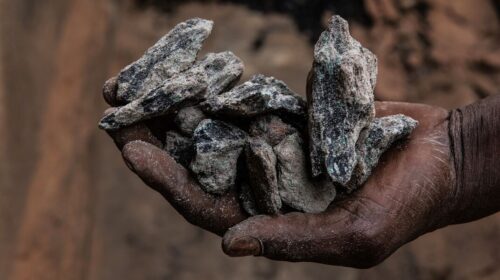
For the DRC, one of Africa’s leading producers of copper and cobalt, these priorities are central to increasing the economic and social benefits derived from its mineral wealth.
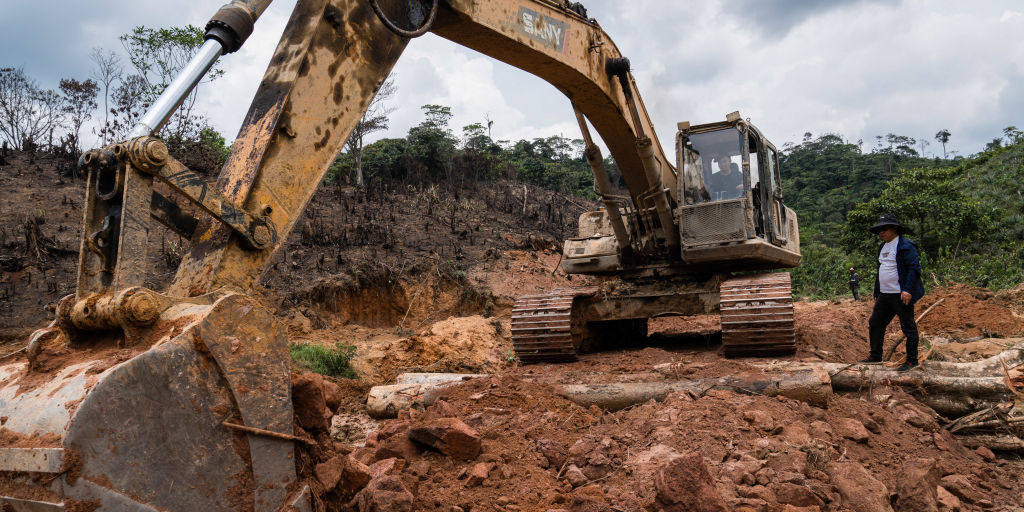
Greater transparency and traceability are also important in addressing the illicit exploitation and trade of natural resources, particularly in the eastern part of the country, where illegal mineral trading remains a significant governance and security concern.
EITI Transparency Reforms
Nyembo reaffirmed the DRC government’s commitment to publishing reliable information on the extractive sector to improve public oversight, inform policy decisions and encourage responsible investment.
The initiative provides a framework for disclosing information on government revenues, company payments and other aspects of natural resource management. Such disclosures can help citizens and oversight institutions assess how extractive revenues are collected and managed.
The DRC is also preparing for its 2026 EITI Validation, an assessment of the country’s progress in implementing the initiative’s transparency requirements.
During its previous validation in 2022, the country scored 85.5 out of 100. The upcoming assessment provides an opportunity to consolidate progress and address outstanding transparency and governance requirements.
In a meeting on the sidelines of the Brussels conference, Nyembo held discussions with Maria van der Hoeven, Chair of the EITI International Board, on the DRC’s implementation of the EITI Standard, preparations for the 2026 validation and ongoing reforms.
Translating Transparency into Economic Benefits
The DRC’s position reflects a broader challenge facing resource-rich economies: ensuring that greater disclosure and accountability translate into measurable improvements in public services, employment and living standards.
While transparency can strengthen oversight of mining revenues, its impact also depends on effective institutions, enforcement of disclosure requirements and the responsible allocation of public funds.
For the DRC, the priority is to ensure that revenues generated by mining and other extractive activities contribute more directly to economic diversification, local development and improved living conditions for communities in resource-producing areas.
The government’s commitment to further transparency reforms is intended to strengthen public accountability and ensure that the country’s natural resources support more inclusive and sustainable economic development.